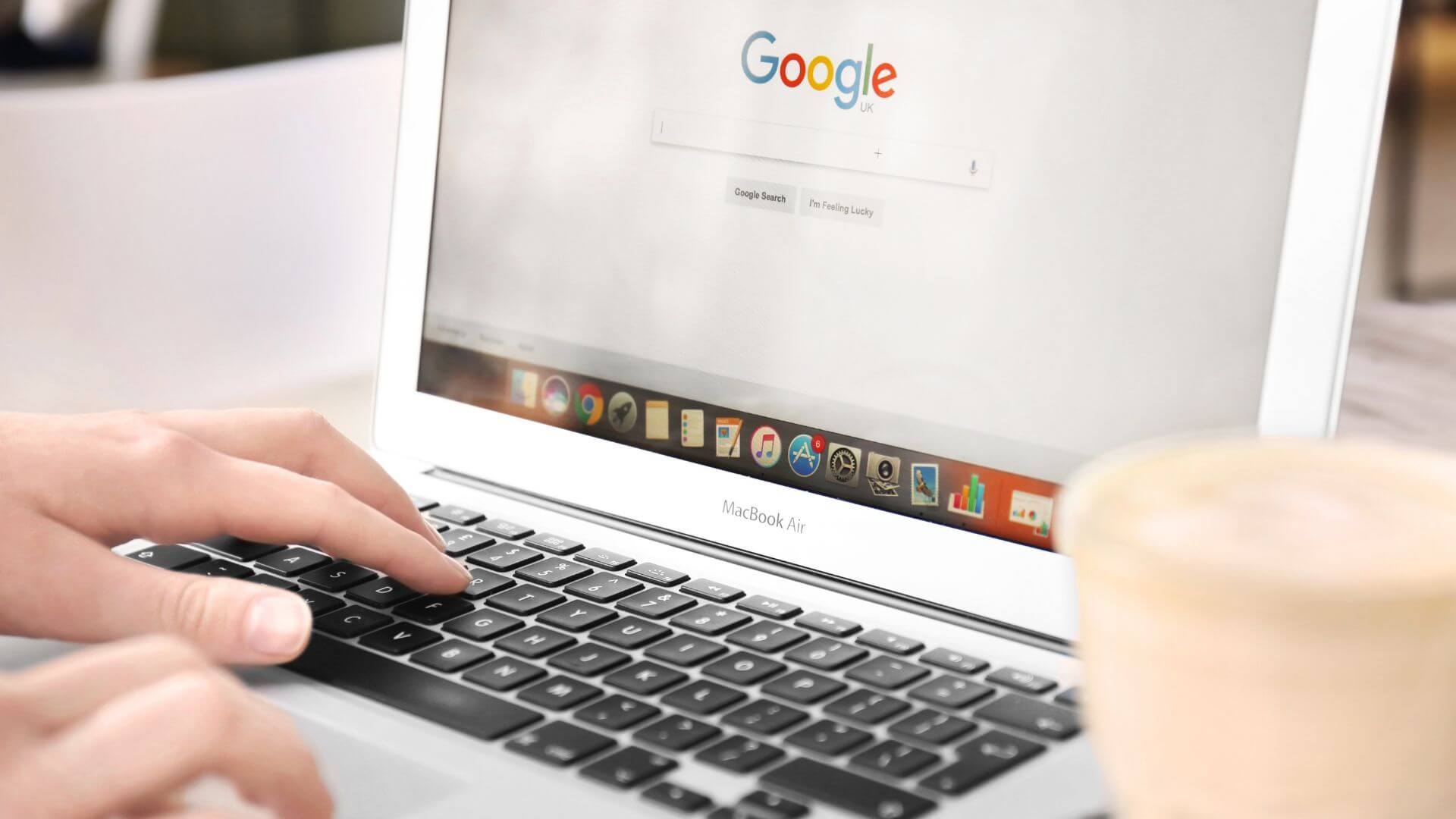
What started out as a service for those who could afford it, has become a necessity in the digital age. Access to the Internet is not just a convenience anymore, it’s a requirement for most individuals and businesses to perform their tasks.
With the continued rise of remote working and the need to stay connected with those in different parts of the world, Broadband access has become almost as essential as water or electricity.
The Digital Age
As of January 2024, approximately 66.3 million people in the UK regularly used the Internet, whether for work or personal purposes. This means that more than 90% of the population has Internet access. However, according to the International Telecommunication Union (ITU), nearly 3.7 billion people worldwide still do not have access to Broadband. This accounts for almost half of the global population.
The Covid-19 pandemic resulted in the need to work remotely, and businesses around the world have seen the benefits of it and, as a result, kept the remote structure post-pandemic.
This is where the question is raised, should Broadband access be considered a basic human right? Employees who work remotely require Internet access to perform their roles, to earn an income to support themselves and families. Not having this access affects their ability to work which, in turn, affects their livelihoods.
The Need For Broadband Access
Adequate access to the Internet has a variety of benefits and opens the door to a range of opportunities.
Employment Opportunities
For those who are searching for work, Internet access offers a platform where job-seekers can find available positions. In addition to this, you can use websites and apps to apply for jobs. It makes the job-finding process more streamlined and easier to navigate.
Social Connections
Online social media platforms allow people to stay connected with friends and family regardless of where they are in the world. This is ideal for those who travel frequently or live abroad. These platforms and online communities provide a space where people can connect with each other based on their interests or hobbies and promotes a sense of well-being. This is essential for overall mental health.
Educational Aspect
When you need to find out any information about people, places or topics, the first place you generally go is the Internet. It offers such a vast amount of information that can be accessed as long as you are connected. Students who study part-time or long-distance need Broadband to access their online resources, complete assignments or even watch lectures and tutorials. If they are digitally excluded from this, it will only increase the educational gap that exists globally.
Access To Healthcare
In remote or isolated areas, telehealth as emerged as a way for people to still receive access to healthcare. Without needing to physically travel long distances, patients can use websites or apps to consult with doctors, receive a diagnosis and discuss treatment options. These telehealth services can only work with a stable Internet connection. Without this, people are deprived of access to healthcare, which is another basic human right.
What Legislation Says
Back in 2016, the United Nations announced that it does regard Internet access as a basic human right. The organisation stated that “everyone has the right to freedom of opinion and expression; this right includes freedom to hold opinions without interference and to seek, receive and impart information and ideas through any media and regardless of frontiers.” However, no set laws have been passed since regarding the debate. Some countries have opposed their opinion, and the gap in Internet connectivity still remains.
Bridging The Connectivity Gap
Broadband access has become more than a privilege, it is a means to survival and provides opportunities for work, healthcare and education that an individual may not have otherwise had. The world is only accelerating its digital growth, and recognising adequate access to the Internet is a step in the right direction to create equal opportunities.