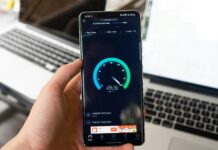
In an era where internet connectivity is essential for both personal and professional activities, understanding the factors that influence mobile broadband speed is crucial. For Businesses, freelancers and tech enthusiasts, the performance of internet speed across different devices can impact productivity and user experience. Mobile broadband speed is not always consistent across various devices such as smartphones, tablets, and laptops. This variability is influenced by several factors, including hardware differences, network technology, and environmental conditions.
What Makes My Mobile Data Speed Vary?
Smartphone data flow changes can be caused by both software and hardware factors. When data connections are disrupted, it is usually due to software hitches, corrupt settings or outdated operating systems, while the inappropriate SIM card or antenna malfunctioning is an example of hardware misbehaviour. On the other hand, technical reasons such as bandwidth constraints, network traffic jams, latency problems and inadequacies in hardware and software cause internet speed to fluctuate. In addition to this, weather conditions, physical obstructions and placement of routers may affect Wi-Fi stability leading to inconsistent internet speeds on various devices.
Do I Share My Internet Speed with Other Devices?
Conversely, living in a household or working in an office where many people are using multiple devices on the same network can lead to low bandwidth; thus slowing down internet connection speeds and even making simple web browsing difficult. This affects both download and upload speeds because each device uses part of the available bandwidth just like more cars result in traffic jams on a road. Multiple devices connected to Wi-Fi theoretically don’t slow down the internet speed but practically speaking they share that bandwidth hence slowing it down for all.
Factors Influencing Mobile Broadband Speed
Mobile broadband speed can vary significantly between different devices due to several factors. Mobile broadband speed can vary significantly between different devices due to several factors. One of the primary reasons is the difference in hardware capabilities. For instance, laptops and desktops often have more advanced Wi-Fi antennas compared to smartphones and tablets, which can result in better signal reception and faster speeds on larger devices. Additionally, network congestion and bandwidth allocation can affect speed. When multiple devices are connected to the same network, they share the available bandwidth, potentially reducing speed for each device.
Device-Specific Performance
Different devices have varying levels of performance due to their internal components and network interfaces. In contrast, a laptop connected via a stable Wi-Fi network might experience more consistent speeds. Moreover, the position of the device relative to the Wi-Fi router or cell tower can influence signal strength and speed. Devices located further away or obstructed by walls may experience weaker signals and slower speeds
Network Technology and Coverage
The type of network technology (4G vs 5G) and the coverage area significantly impact mobile broadband speed. 5G networks generally offer faster speeds and lower latency compared to 4G, but their availability and performance can vary depending on the region and the service provider. For example, urban areas typically have better 5G coverage and infrastructure compared to rural areas, leading to more consistent speeds in cities
Impact of Software and Background Activities
The performance of mobile broadband can also be affected by the software running on a device and those in the background. Applications running in the background, such as automatic updates or cloud backups, can consume bandwidth and slow down the perceived speed of the internet. Additionally, differences in operating systems and network settings can lead to variations in speed between devices