
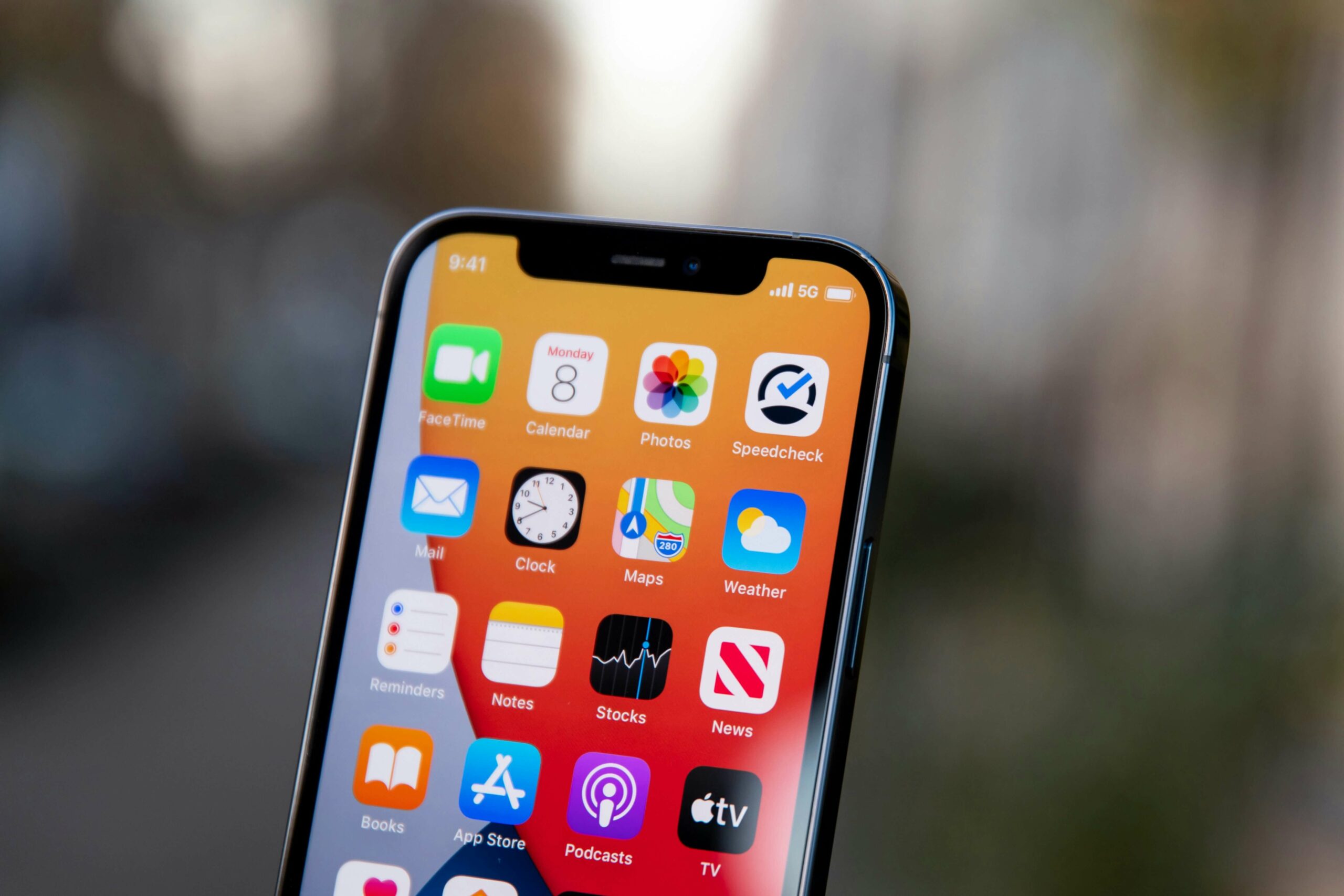
As an increasingly integral part of modern connectivity, mobile broadband offers flexibility and accessibility unmatched by traditional broadband services. However, its effectiveness can vary significantly depending on several key factors. From network coverage and signal strength to technological advancements and environmental conditions, each element plays a critical role in shaping the mobile broadband experience.
What is Mobile Broadband, and How Does it Differ from Traditional Broadband?
The main difference between mobile broadband and traditional broadband lies in accessibility and the flexibility of an internet connection. Traditional broadband lines usually require a fixed connection to a specific location, such as a business or home address, mobile broadband offers flexibility and mobility, allowing users to access the internet from virtually anywhere within the coverage area of a mobile network.
Impact of Network Coverage on Mobile Broadband
Areas with robust network coverage typically offer faster speeds and more reliable connections, ensuring seamless internet access for users. However, in areas with poor network coverage, such as those living in remote locations across the UK, users may experience slower speeds, dropped connections, or difficulties accessing certain online services. Therefore, network coverage plays a critical role in determining the overall quality of mobile broadband service experienced by users.
What Role Does Signal Strength Play in Determining Mobile Broadband Performance?
Signal strength plays a crucial role in determining the performance of mobile broadband. It directly affects the quality and reliability of the internet connection on mobile devices. A strong signal indicates a robust connection to the mobile network, resulting in faster data speeds, lower latency, and smoother browsing experiences. Conversely, weak signal strength can lead to slower speeds, dropped connections, and interrupted data transmission. This makes maintaining signal strength important for a cos¡insistent and reliable connection.
Important Factors Influencing Reliability of Mobile Broadband
Some of the major concerns that are often mentioned about mobile broadband range from network congestion during peak hours, compatibility with certain devices and geographical location for network coverage. Here we outline some of the common things that affect the speed and reliability of mobile broadband in the UK.
Network Congestion
Another factor impacting broadband speed is network congestion. When multiple employees within a company rely on the same network simultaneously, it can lead to increased latency during peak usage hours. Therefore, if your organisation has a large number of employees, you might encounter slower broadband speeds, resulting in higher latency. In such cases, increasing your bandwidth could prove beneficial.
Network Coverage and Signal Strength
Network congestion is a common issue that can occur which influences whether or not a mobile broadband connection is working at prime functionality. This can especially cause delays within peak usage hours, therefore causing slower connection speeds. For businesses that use mobile broadband, this can cause significant delays in download and upload speed, affecting workplace efficiency and potentially damaging customer relations.
Type of Network Technology
As 5G and 6G technologies are rolled out, individuals limited to 4G or older networks, such as 3G, may encounter restricted broadband connectivity and reliability. This issue is particularly significant for those residing in rural areas with limited mobile network infrastructure. Access to 4G and higher networks typically ensures quicker speeds and reduced latency compared to outdated technologies. Therefore, the adoption of newer technologies becomes crucial for enhancing mobile broadband performance.
Device Compatibility and Specifications
As with most technologies, the newer the technology, the more advanced the product will be. This is the same concept with mobile broadband, as newer mobile devices will often ensure better compatibility with newer phone line technologies, such as 5G. Additionally, factors such as processor speed, RAM, and antenna design can impact the device’s ability to maintain a stable connection and deliver consistent speeds.
Weather Conditions
Weather conditions can also affect the reliability of mobile broadband connections. Adverse weather, such as heavy rain, snow, or storms, can interfere with wireless signals and degrade network performance. Users in areas prone to extreme weather should be aware that their mobile broadband connection may be impacted during adverse weather conditions, leading to slower speeds and increased latency or lagging.
Location and Movement
The physical location and movement of users can impact the reliability of mobile broadband connections. Users moving between different geographical areas or traveling at high speeds, such as in vehicles, may experience fluctuations in signal strength and network coverage. Additionally, users in indoor or densely populated urban areas may encounter obstacles that interfere with signal reception, leading to reduced reliability and slower speeds.