The UK has entered a debate about whether mobile broadband can replace traditional cable internet within the last few years. Although mobile broadband has been gaining popularity due to advancements in 4G and 5G technologies, is it ready to fully substitute for fixed-line internet?
What is Mobile Broadband?
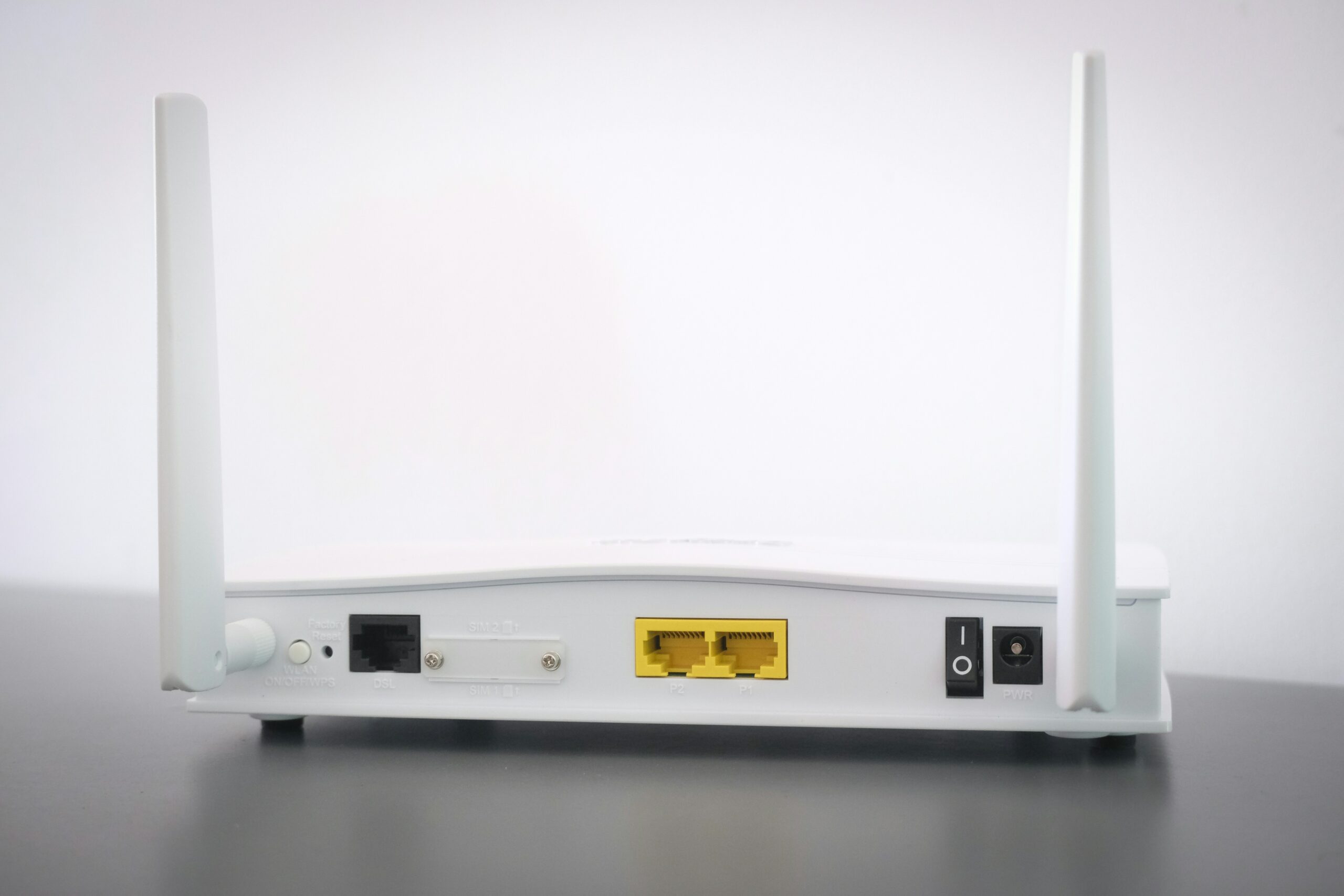
Mobile broadband is a type of wireless connection that allows users to access the internet using smartphones, tablets or specially-made mobile routers that use SIM cards. For instance, unlike wired broadband services that are based on copper telephone lines or fibre optics, wireless mobile networks operate on the same infrastructure as cell telephones.
How Do They Differ From One Another?
By relying on wireless networks such as cell towers and satellites for connectivity, mobile broadband permits a great deal of flexibility and mobility. On the other hand, wired, or a fixed line (cable and DSL), broadband depends on physical cables resulting in generally more dependable connections with faster upload/download speeds and unlimited data packages most of the time.
Mobile Broadband vs Fixed-Line: Speed
Among the most vital considerations when choosing an internet connection is the speed. In urban areas of the UK, 5G mobile broadband can provide impressive speeds and sometimes even compete with fibre-optic connections, peaking at download rates of up to 1 Gbps. Conversely, in rural areas, 4G may be much slower and less reliable than fixed-line options. This makes fixed-line broadband, particularly fibre-optics, a more suitable alternative for heavy internet users.
Coverage and Availability
Another important issue is coverage. Urban-based fixed-line broadband has wide coverage as it is supported by well-established infrastructure. However, rural parts of the UK have slow speeds as well as limited availability of high-speed fix-line products. On the other hand, mobile broadband offers flexibility that often extends into areas where there are no fixed broadband services. The situation might change because of expanding internet facilities through these networks; nevertheless, it’s still not as widespread as fixes-lines would suggest.
Cost Considerations
Comparatively speaking, light internet users may find mobile data plans more cost-effective especially if they come bundled with their cellular phone bills. Nevertheless, people who stream videos constantly or download huge files from the web on a daily basis using devices like computers or smartphones would find mobile data pricing expensive. Fixed-line broadband, while often more expensive upfront, usually offers unlimited data, making it more cost-effective for families or households with multiple users.
Installation and Flexibility
The convenience and flexibility aspects make mobile broadband very popular among its users. This means that those who rent houses or change homes might likely opt for a mobile type as you can set it up almost instantly, anywhere you have a signal. Fixed-line broadband, in contrast, requires a physical installation, which can be time-consuming and sometimes costly, particularly in properties without existing connections
Reliability and Performance
Fixed-line systems are usually more reliable than wireless ones that are prone to network congestion, signal strength and bad weather. For users who don’t want disruptions in their work, gaming or media streaming because they can get a stable internet connection, this is often the most secure choice of an ISP.
Who Should Consider Mobile Broadband?
For people who need internet on the go such as travellers or some individuals staying temporarily at some location where another connection mode is not yet available, mobile broadband is the best option. It can also serve as a backup when fixed-line broadband fails to operate. Conversely, fixed-line broadband will remain the best option for many users whose houses have multiple users or those requiring constant fast internet for work or leisure purposes.
Future of Mobile Broadband in the UK
With 5G being further rolled out and mobile technology advancing, mobile broadband should increasingly become a major competitor to fix-line services. Nevertheless, until coverage becomes more consistent across all parts of the UK with faster speeds, the majority of people will continue using fixed-line broadband.